

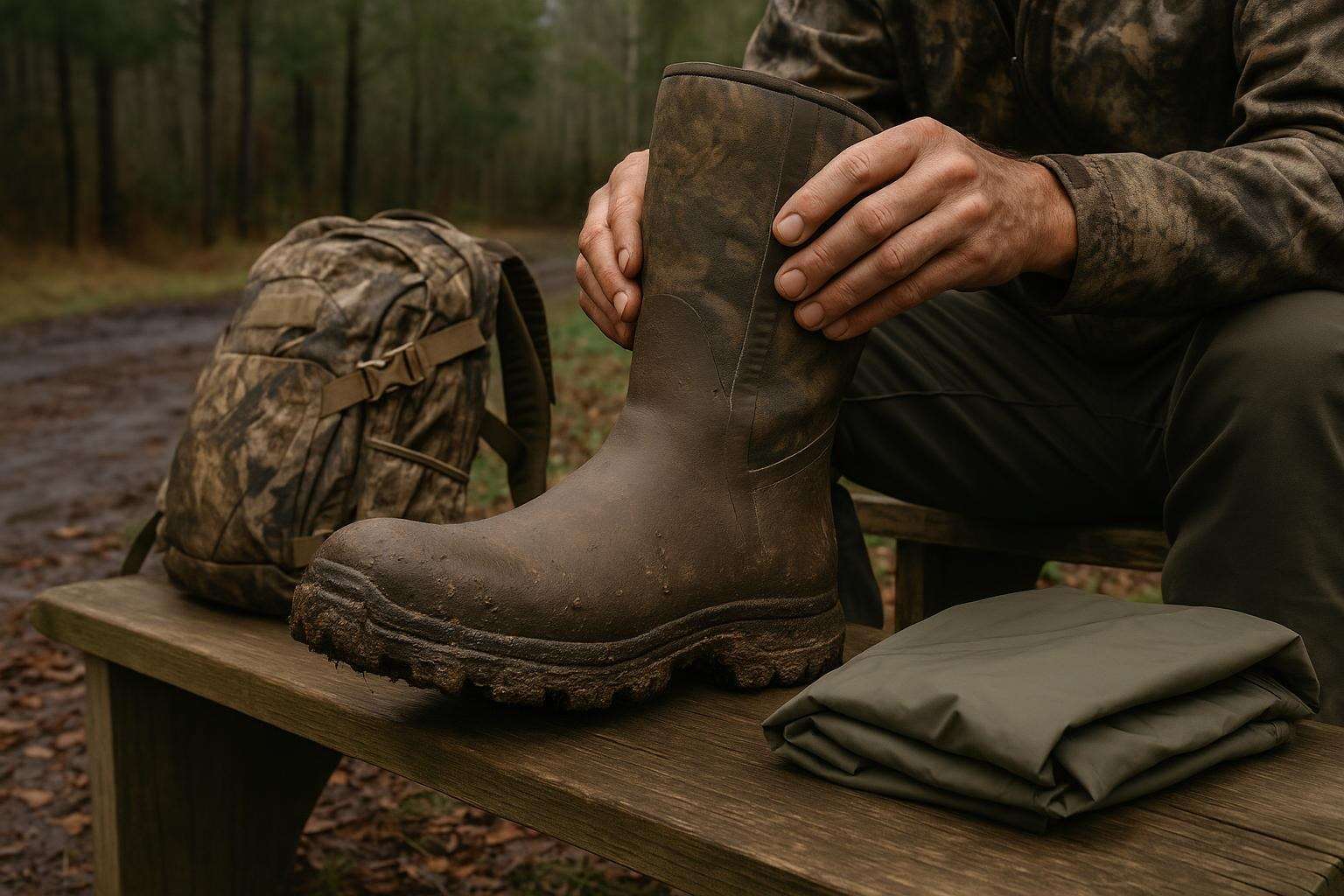
A common misunderstanding is that better results come from carrying gear or choosing a complicated spot. In reality many bad hunts begin earlier, than that-when changing weather, wet paths, failing equipment or unclear rules are seen as problems to ignore. Reading the conditions first helps you pick a quieter and respectful way to hunt. It also lowers the chance that a tiny warning sign turns into an issue in the field.
Start with the ground, not the gear
Hunting conditions in South Carolina can shift fast during one day. A cool morning might turn into heat damp undergrowth, muddy trails or strong wind. The important question isn't just whether the forecast looks good. It's how those conditions will affect your walk your visibility, scent movement, noise level and your ability to leave without harming the land.
Look for signs that your original plan no longer works. Boots full of mud a pack that keeps catching on things rising water at a crossing or branches moving much to see all are practical warnings. Fatigue counts too. If the way in requires effort than expected the way out could become unsafe after dark or in weather.
A good location on a map might be a choice on the ground. Make sure access is open, legal and respectful of property. Don't force a vehicle down a track just because it was passable before. Ruts and broken drainage can stay after the hunt. Habitat stewardship means leaving roads, field edges and wet areas in condition.
Check the failures before leaving
Preparation matters when it catches ordinary problems early. Look closely at fasteners, straps, zippers, boot soles, rain layers and any support used for a field position. If something feels loose, sticks, leaks or makes a sound at home don't assume it will get outside.
Keep equipment checks
– Confirm that required licenses, permits, tags and identification are current and easy to find.
– Inspect clothing for torn fabric, exposed material and noisy closures.
– Check water, food, lighting, navigation tools and weather protection.
– Make sure communication devices are charged while knowing that cell service may not work.
– Test the pack you plan to carry instead of relying on a lighter different load.
Any firearm or archery gear should be handled according to the manufacturer's instructions and local safety rules. Never use a damaged part try to fix something that affects operation or change equipment beyond what you understand. If a safety-critical piece is questionable. Get help from someone qualified before going into the field.
Match the position to the conditions
Choosing a hunting setup means matching the place and the day not copying an arrangement. Wind that is steady enough to read may guide one decision; swirling air around a creek or thick edge may make that same spot unreliable. Rain can hide movement. Also reduce visibility and change what counts as a ethical opportunity.
Visibility needs limits. A clear view is not the same as a view. You must identify the target. Know what lies behind it before taking a shot. If brush, terrain, water, buildings, roads, livestock or other people create uncertainty the right move is to wait, reposition or pass.
Comfort has a role. It shouldn't be confused with staying put no what. Numb feet, strained shoulders and a stiff back can weaken focus and control. Dress in layers that you can adjust quietly carry what the conditions require and pick a route that doesn't leave you exhausted before the part of the day.
For deer hunting in South Carolina, habitat edges, travel routes and feeding areas may seem appealing. Animal activity does not give permission to ignore access, wind, visibility or the presence of hunters. The promising sign still needs a decision framework.
Treat regulations as part of the plan
Hunting regulations are not paperwork. They decide where, when and how you can hunt. Seasons, methods, zones, tagging rules reporting steps public-land rules and restrictions can change. Always check the information through South Carolina sources before each season and whenever your plans change.
Don't rely on a screenshot, a memory of a rule or advice meant for another county, game zone or species. Read the guidance keep all necessary documents ready and ask for clarification if anything remains unclear before entering the field. A lawful choice is easier to defend when conditions get messy or another hunter's actions affect your path.
Ethics go beyond rules. Pass on a shot if identification, distance, background or recovery conditions are poor. Plan for retrieval before taking a shot and make an effort to follow up safely and responsibly if an animal is wounded. Do not let pressure to fill a tag override judgment.
Leave the place better than you found it
Conservation shows up in choices: closing gates as they were found removing every bit of waste avoiding disturbance and respecting areas that are wet newly planted or sensitive to foot traffic. A careless shortcut can hurt than one hunt on land shared by wildlife managers, landowners and other outdoor users.
Before leaving check the ground around your position and along the access route. Look for dropped packaging, damaged plants, fresh vehicle ruts and equipment that could harm wildlife or people. If weather changed the site note what you saw so future plans can account for it.
A reliable decision comes down to a questions: Is the access legal and safe? Is the equipment working properly? Can you identify the target. What lies behind it? Do the wind, visibility and terrain support an opportunity? If any answer is no changing your plan is not failure. It is discipline-the kind that keeps hunting practical, lawful and in line with long-term care, for the land.